Inventory examples
- Linear Hydraulic Actuators
- Rotary Hydraulic Actuators
- Electro-Hydraulic Actuators
- Hydraulic Power Units
Actuator identification guide
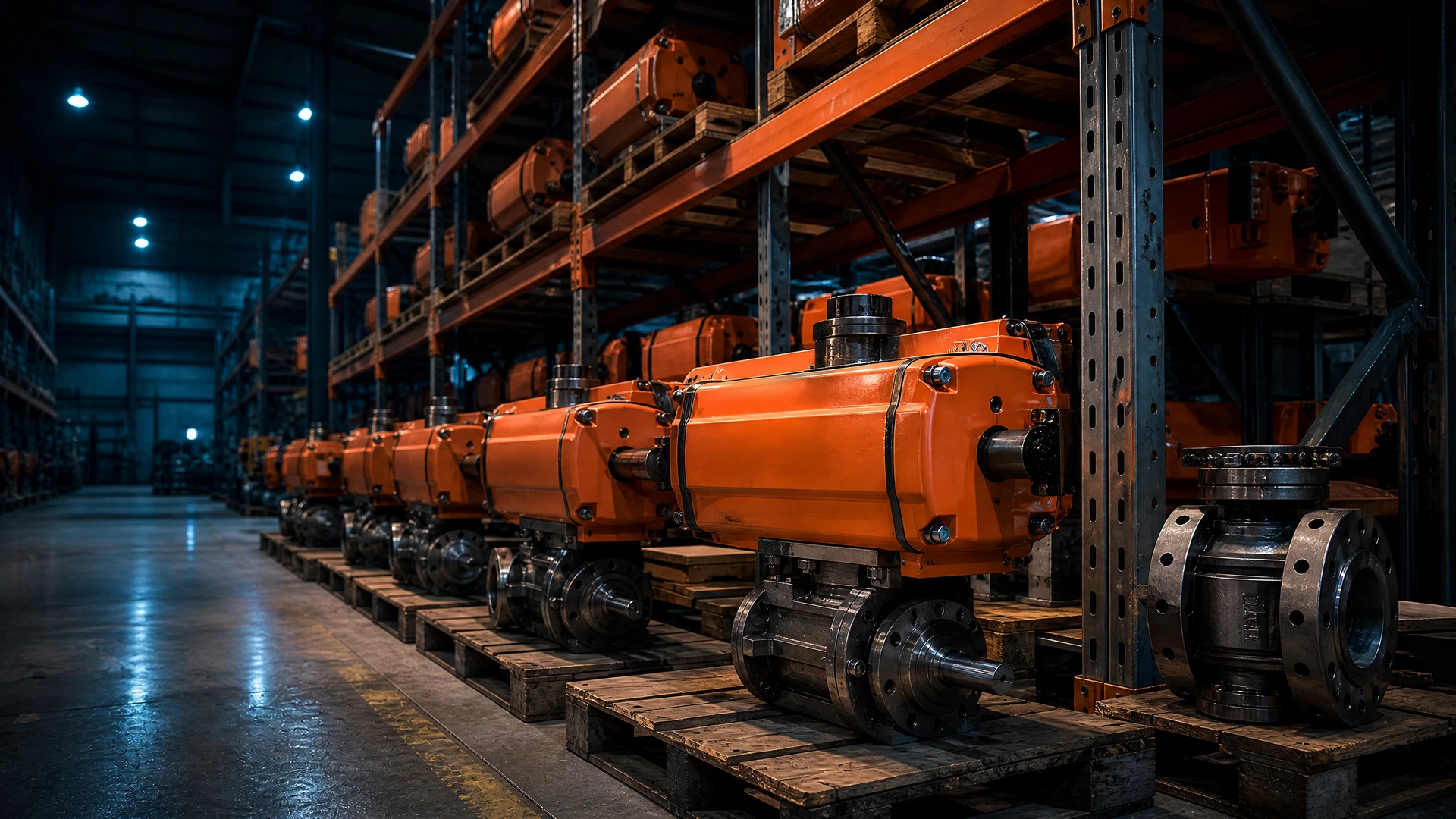
A manufacturing facility upgrading its heavy machinery needs to offload surplus hydraulic actuators and associated power units to clear warehouse space and recover capital.
Seller scenario
A manufacturing facility upgrading its heavy machinery needs to offload surplus hydraulic actuators and associated power units to clear warehouse space and recover capital.
Inventory scope
Review factors
Inspect hydraulic actuators for fluid leaks, scored cylinder rods, and damaged seals that could impact performance. Evidence of regular maintenance and proper fluid filtration can positively influence the overall evaluation of the equipment.
Provide original purchase receipts, routine maintenance logs, and any available pressure test certificates to help establish the operational history of the actuators.
Evaluations typically consider the actuator's brand reputation, physical condition, maximum operating pressure, and current market demand for specific bore and stroke configurations.
Freight and site facts
Shipping arrangements and preparation requirements will depend on the total weight of the hydraulic units and the accessibility of the loading site.
Practical answers
Show the complete equipment and close views of manufacturer name, model number, operating pressure rating, bore and stroke dimensions.
Inspect hydraulic actuators for fluid leaks, scored cylinder rods, and damaged seals that could impact performance. Evidence of regular maintenance and proper fluid filtration can positively influence the overall evaluation of the equipment.
Provide original purchase receipts, routine maintenance logs, and any available pressure test certificates to help establish the operational history of the actuators.
Start with the nameplate
Clear photographs and a basic inventory list are useful. Do not repair, energize, pressurize, or move equipment solely for this form.