Inventory examples
- Electric Actuators
- Pneumatic Actuators
- Hydraulic Actuators
- Manual Valve Operators
- Linear Actuators
Actuator identification guide
A plant manager is decommissioning an older processing line and needs to liquidate a mixed lot of electric, pneumatic, and hydraulic actuators.
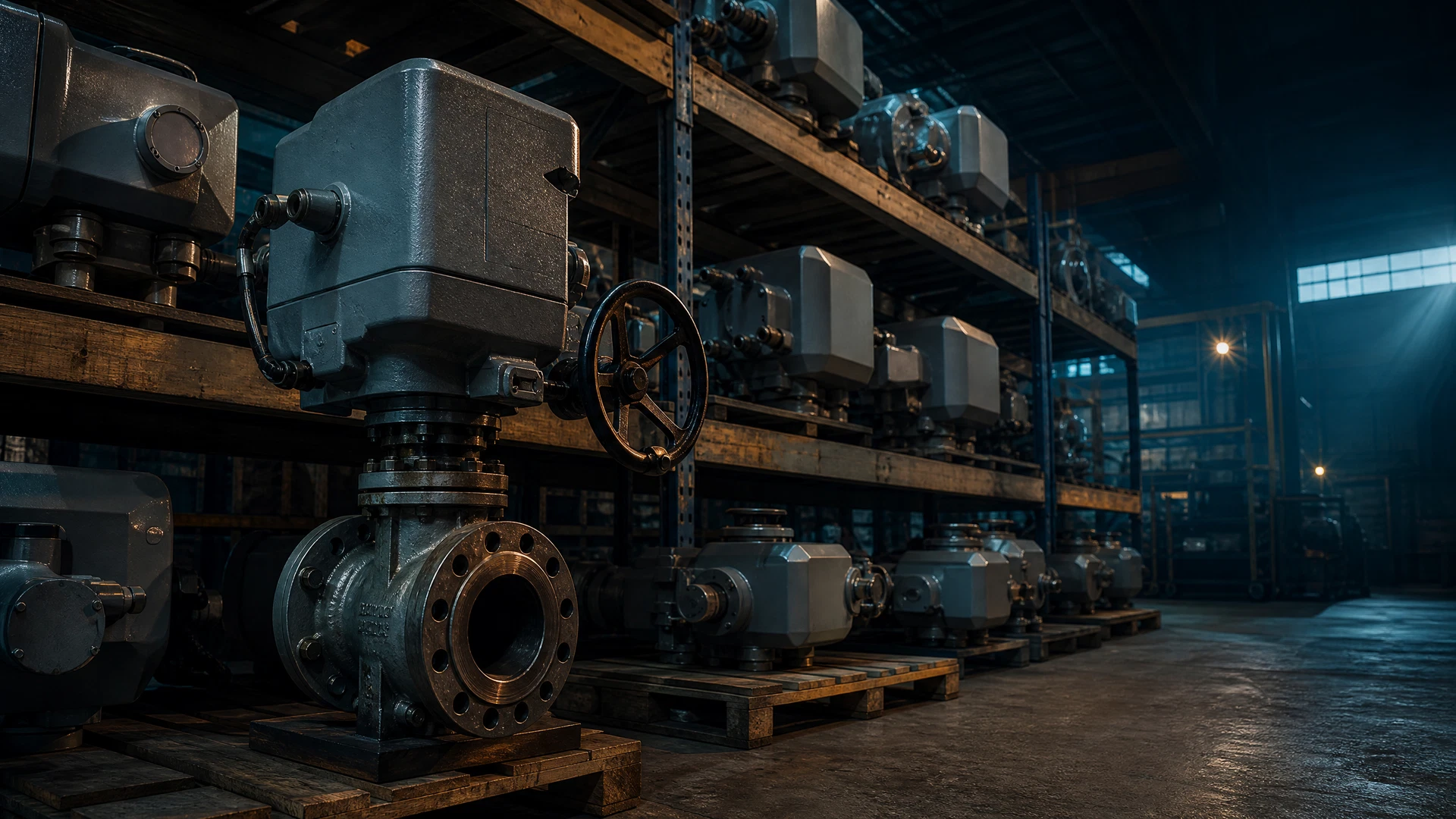
Seller scenario
A plant manager is decommissioning an older processing line and needs to liquidate a mixed lot of electric, pneumatic, and hydraulic actuators.
Inventory scope
Review factors
Actuators should be evaluated for housing integrity, intact seals, and the absence of severe corrosion or water damage. Functional testing history or known defects can also impact the overall assessment.
Original purchase orders, maintenance logs, and manufacturer specification sheets are helpful for accurately assessing the equipment.
The value of surplus actuators generally depends on the brand reputation, operational condition, age, and current market demand for the specific actuation technology.
Freight and site facts
Logistics and shipping arrangements will vary based on the total weight of the actuators, palletizing requirements, and the accessibility of the seller's facility.
Practical answers
Show the complete equipment and close views of manufacturer name, model number, serial number, torque rating.
Actuators should be evaluated for housing integrity, intact seals, and the absence of severe corrosion or water damage. Functional testing history or known defects can also impact the overall assessment.
Original purchase orders, maintenance logs, and manufacturer specification sheets are helpful for accurately assessing the equipment.
Start with the nameplate
Clear photographs and a basic inventory list are useful. Do not repair, energize, pressurize, or move equipment solely for this form.