Inventory examples
- Oil and Gas Valves
- Chemical Processing Valves
- Water Treatment Valves
- Power Generation Valves
- Manufacturing Facility Surplus
Industrial source context
Facility managers overseeing the decommissioning of chemical processing plants, oil refineries, or water treatment facilities often need to liquidate surplus industrial valves to recover capital and clear space.
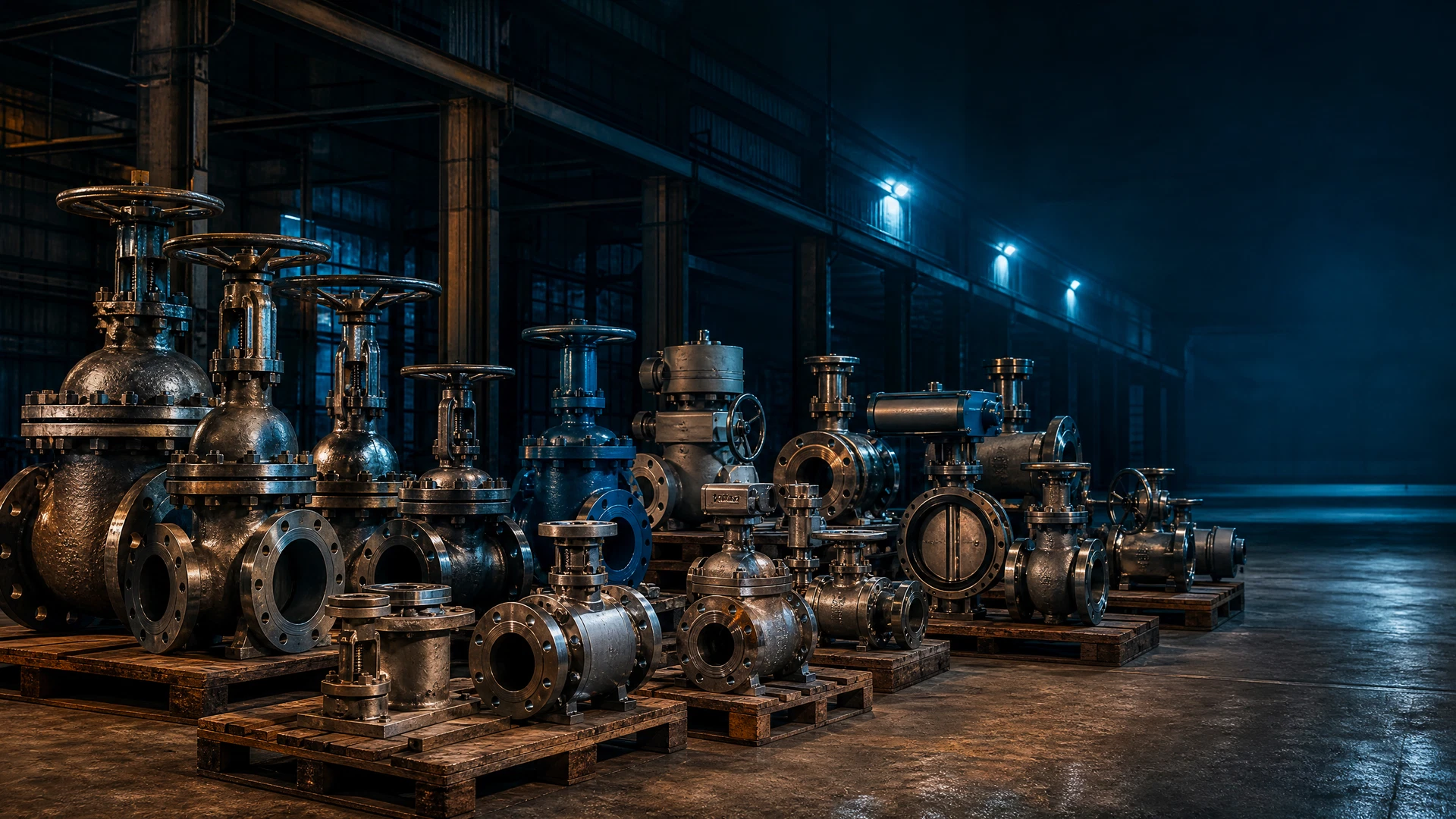
Seller scenario
Facility managers overseeing the decommissioning of chemical processing plants, oil refineries, or water treatment facilities often need to liquidate surplus industrial valves to recover capital and clear space.
Inventory scope
Review factors
Visual inspections should focus on signs of severe corrosion, structural damage, or extensive wear on critical sealing surfaces. Valves that have been exposed to highly caustic environments may require additional evaluation to determine their remaining utility.
Providing original purchase orders, material test reports, and recent maintenance logs helps establish the provenance and specifications of the surplus equipment.
The potential evaluation of surplus valves depends on current market demand for specific materials, overall structural integrity, and the completeness of accompanying technical documentation.
Freight and site facts
Transportation and removal arrangements depend on the total weight of the surplus lot, facility access constraints, and the geographical location of the site.
Practical answers
Show the complete equipment and close views of manufacturer nameplate, valve type and size, pressure rating class, material construction codes.
Visual inspections should focus on signs of severe corrosion, structural damage, or extensive wear on critical sealing surfaces. Valves that have been exposed to highly caustic environments may require additional evaluation to determine their remaining utility.
Providing original purchase orders, material test reports, and recent maintenance logs helps establish the provenance and specifications of the surplus equipment.
Start with the nameplate
Clear photographs and a basic inventory list are useful. Do not repair, energize, pressurize, or move equipment solely for this form.