Inventory examples
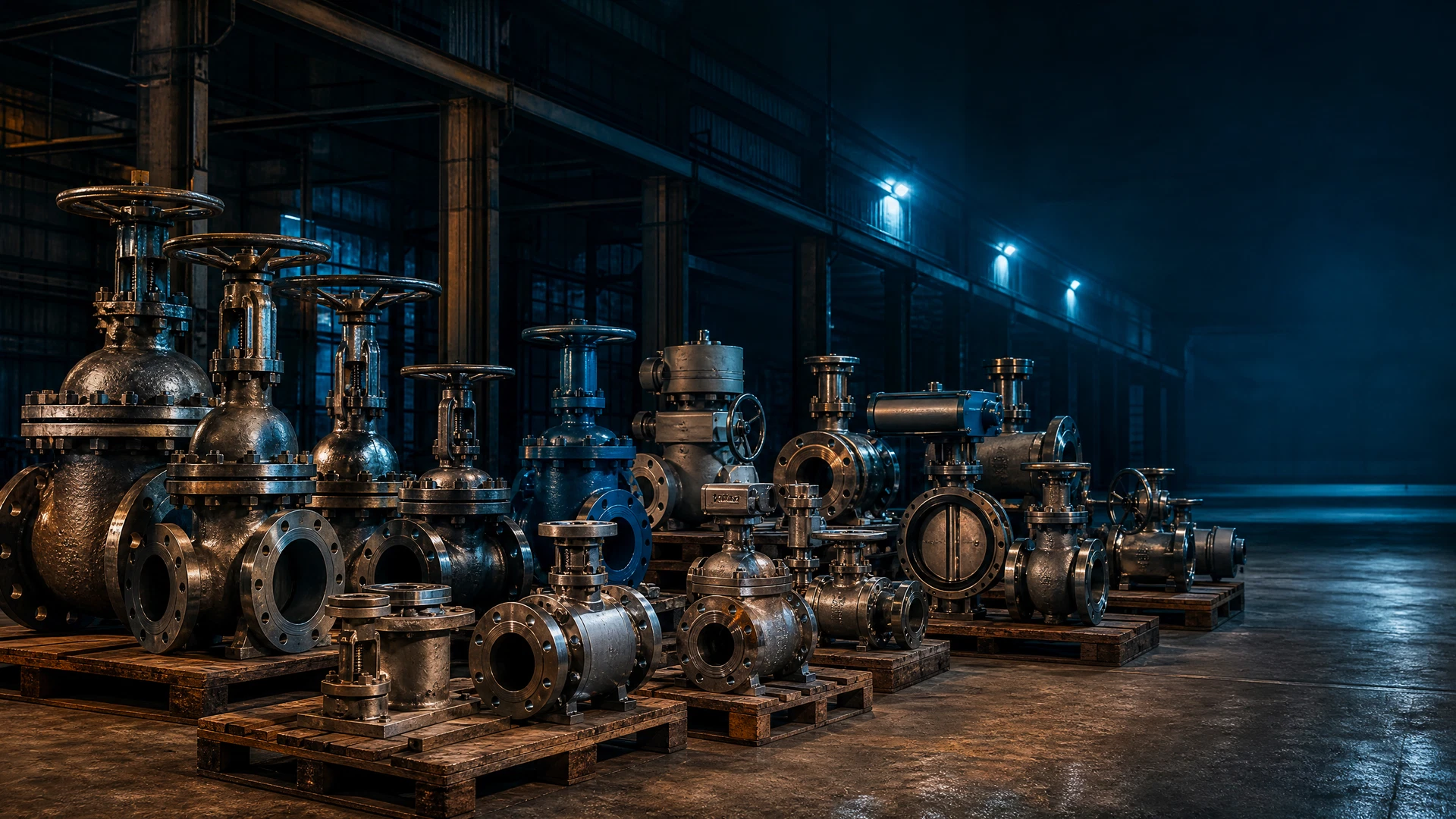
- Alloy and stainless steel valves
- PTFE/PFA lined valves
- Process control instrumentation
- Pressure vessels and reactors
Industrial source context
A plant manager overseeing a unit decommissioning needs to liquidate surplus alloy valves, lined process controls, and specialized vessels to clear site space and recover project costs.
Seller scenario
A plant manager overseeing a unit decommissioning needs to liquidate surplus alloy valves, lined process controls, and specialized vessels to clear site space and recover project costs.
Inventory scope
Review factors
Equipment exposed to highly corrosive chemical environments often requires close inspection for internal pitting, lining degradation, or flange face damage. Valves that were thoroughly flushed and neutralized prior to removal generally retain higher residual value.
Maintenance logs, original material test reports (MTRs), and decontamination certificates are highly useful for verifying equipment history and safety.
Evaluation typically considers the specific metallurgy, the condition of internal linings, overall size, and the current secondary market demand for specialized chemical process equipment.
Freight and site facts
Freight arrangements and rigging requirements depend heavily on the size of the vessels and the total weight of the valve pallets at the facility.
Practical answers
Show the complete equipment and close views of manufacturer nameplate, body material stamp, valve size and pressure class, serial or tag number.
Equipment exposed to highly corrosive chemical environments often requires close inspection for internal pitting, lining degradation, or flange face damage. Valves that were thoroughly flushed and neutralized prior to removal generally retain higher residual value.
Maintenance logs, original material test reports (MTRs), and decontamination certificates are highly useful for verifying equipment history and safety.
Start with the nameplate
Clear photographs and a basic inventory list are useful. Do not repair, energize, pressurize, or move equipment solely for this form.