Inventory examples
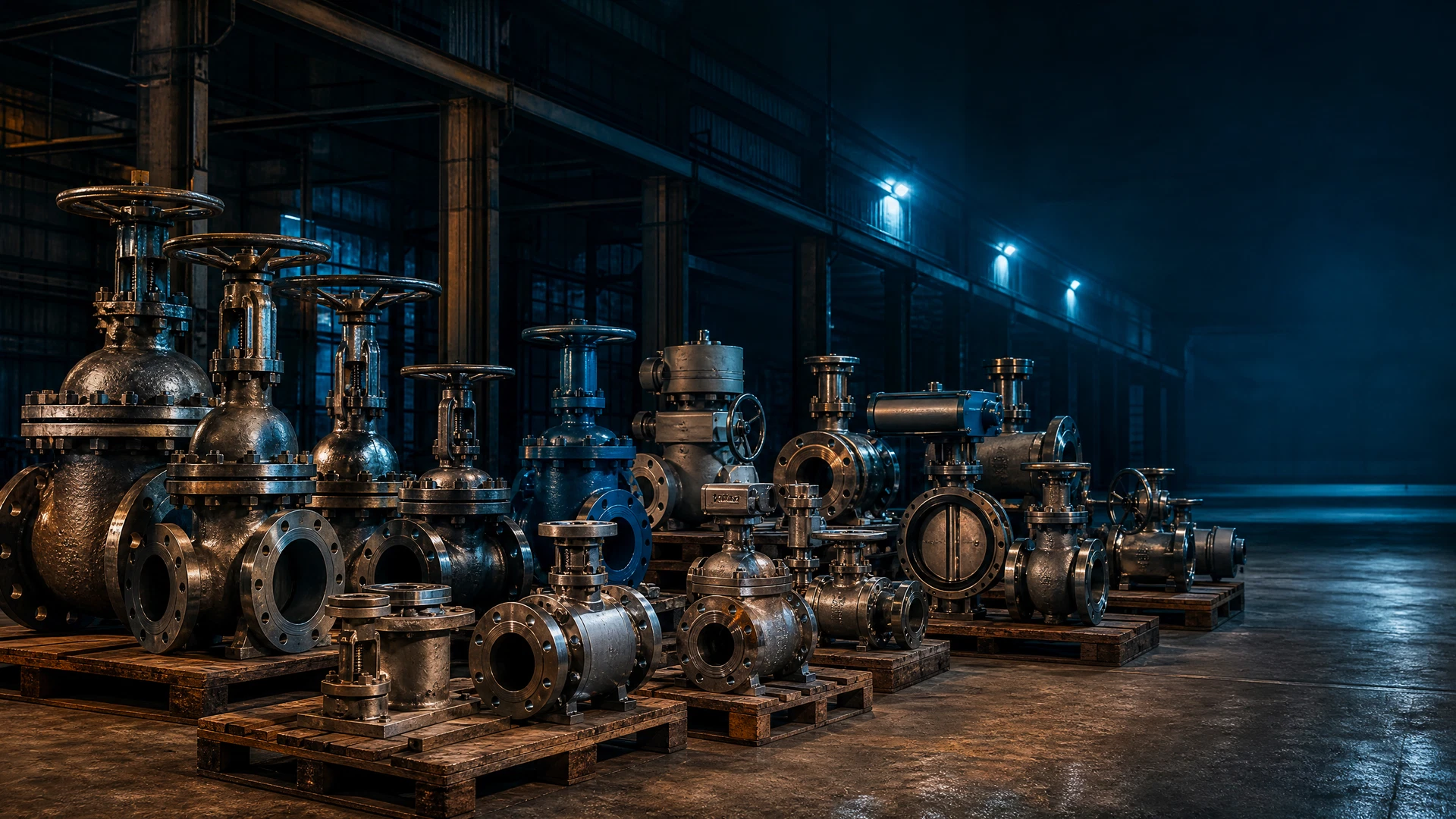
- Gate valves
- Control valves
- Relief valves
- High-alloy valves
Industrial source context
A plant manager at a petrochemical facility is clearing out surplus MRO inventory and unused high-alloy valves following a major unit turnaround, seeking to monetize these specialized assets rather than paying for long-term storage.
Seller scenario
A plant manager at a petrochemical facility is clearing out surplus MRO inventory and unused high-alloy valves following a major unit turnaround, seeking to monetize these specialized assets rather than paying for long-term storage.
Inventory scope
Review factors
Valves must be free from severe corrosive damage or structural cracks, though surface oxidation from outdoor storage is typically acceptable. Any chemical residue or internal fouling should be clearly noted before evaluation.
Providing original material test reports (MTRs), turnaround maintenance logs, and purchase orders helps verify alloy composition and operational history.
Evaluation considerations typically include the specific alloy grade, overall physical condition, brand reputation, and the completeness of supporting documentation like material test reports.
Freight and site facts
Freight arrangements and loading requirements are evaluated on a case-by-case basis depending on the total weight, site access, and geographic location.
Practical answers
Show the complete equipment and close views of manufacturer nameplate, serial number, body material, pressure class rating.
Valves must be free from severe corrosive damage or structural cracks, though surface oxidation from outdoor storage is typically acceptable. Any chemical residue or internal fouling should be clearly noted before evaluation.
Providing original material test reports (MTRs), turnaround maintenance logs, and purchase orders helps verify alloy composition and operational history.
Start with the nameplate
Clear photographs and a basic inventory list are useful. Do not repair, energize, pressurize, or move equipment solely for this form.