Inventory examples
- Gate Valves
- Control Valves
- Relief Valves
- Actuators
Industrial source context
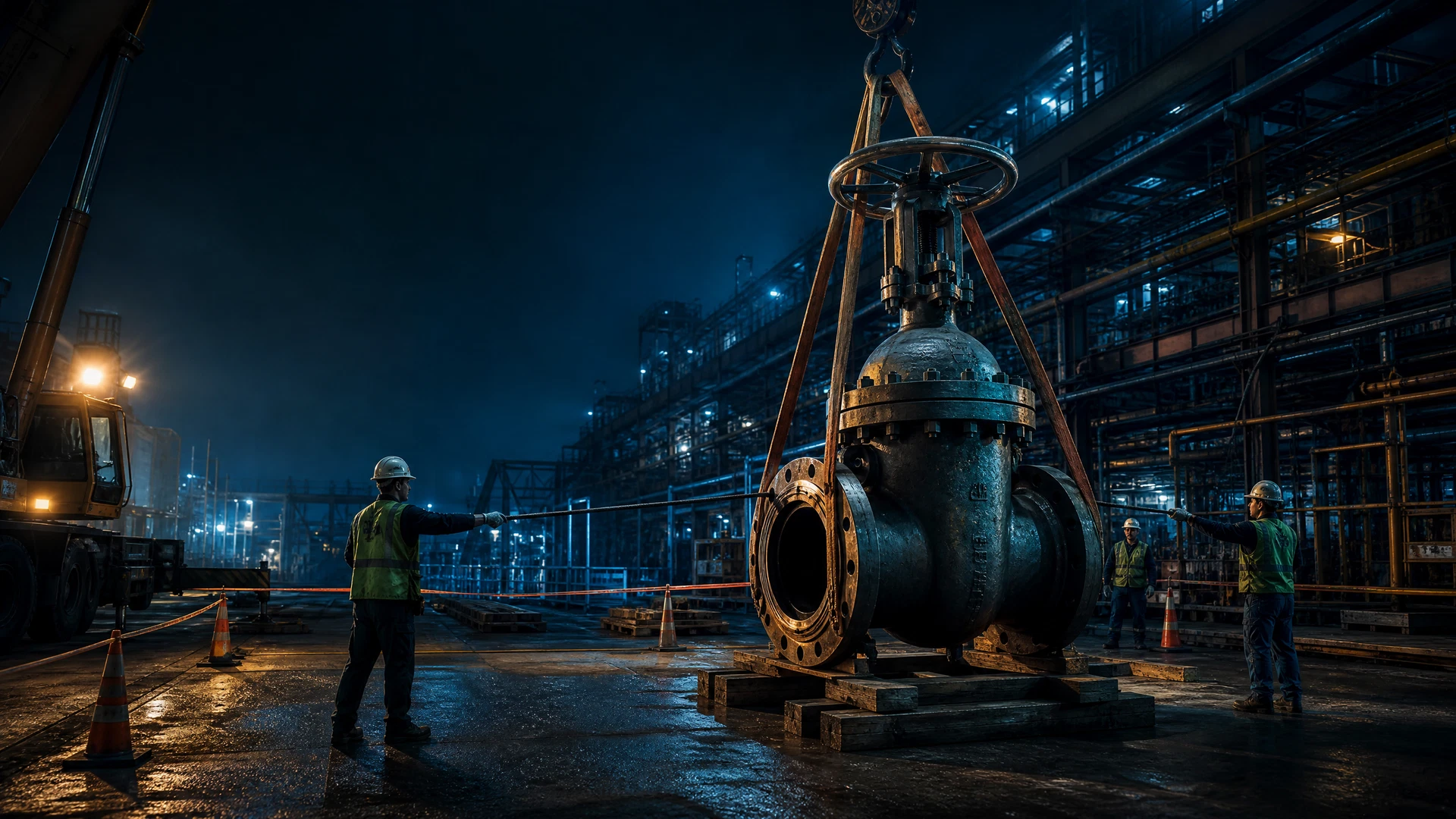
A facility manager coordinating the permanent closure of an aging chemical processing plant needs to systematically extract and liquidate high-value industrial valves before the final demolition phase begins.
Seller scenario
A facility manager coordinating the permanent closure of an aging chemical processing plant needs to systematically extract and liquidate high-value industrial valves before the final demolition phase begins.
Inventory scope
Review factors
Valves exposed to highly corrosive chemical environments may suffer from internal pitting or seal degradation that impacts their secondary market viability. Visual evidence of exterior corrosion or physical damage during the initial extraction process should be clearly documented.
Providing original purchase orders, maintenance logs, and material test reports helps establish the exact specifications and service history of the decommissioned equipment.
Evaluation typically depends on the manufacturer's market reputation, the construction materials used, current industrial demand for specific valve types, and the overall physical condition of the assets.
Freight and site facts
Safe extraction and transportation require careful coordination with site managers, depending heavily on the total volume, equipment weight, and specific access constraints of the facility.
Practical answers
Show the complete equipment and close views of manufacturer nameplates, pressure ratings, material stamps, flange dimensions.
Valves exposed to highly corrosive chemical environments may suffer from internal pitting or seal degradation that impacts their secondary market viability. Visual evidence of exterior corrosion or physical damage during the initial extraction process should be clearly documented.
Providing original purchase orders, maintenance logs, and material test reports helps establish the exact specifications and service history of the decommissioned equipment.
Start with the nameplate
Clear photographs and a basic inventory list are useful. Do not repair, energize, pressurize, or move equipment solely for this form.