Inventory examples
- Compressor station valves
- Pig launchers and receivers
- Mainline block valves
- Surplus line pipe
Industrial source context
A midstream operator upgrading a compressor station has surplus launchers, receivers, and line valves remaining after the project completion that need to be cleared from the site.
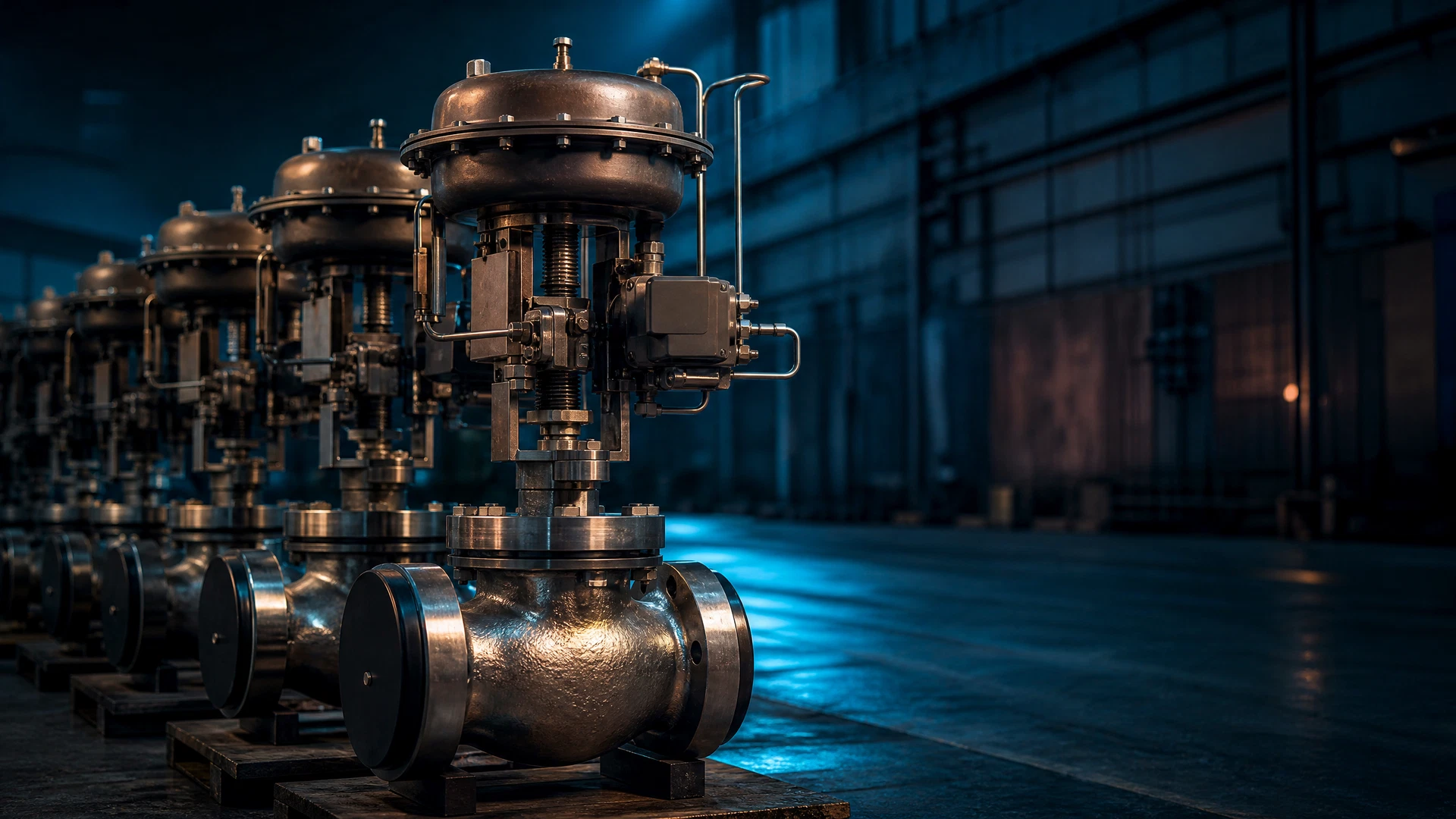
Seller scenario
A midstream operator upgrading a compressor station has surplus launchers, receivers, and line valves remaining after the project completion that need to be cleared from the site.
Inventory scope
Review factors
Valves and equipment should be evaluated for internal corrosion, seal integrity, and external environmental damage. Unused project surplus typically retains higher value if stored properly with protective end caps.
Material test reports, hydrotest records, and original purchase documentation help establish the specification and origin of the equipment.
Valuation generally depends on the specific API standards met, current condition, size, pressure class, and whether the equipment is unused surplus or decommissioned.
Freight and site facts
Transporting large midstream valves and launchers requires heavy-haul flatbed coordination, which depends on site access and the overall weight of the load.
Practical answers
Show the complete equipment and close views of manufacturer nameplate, valve size and pressure class, api specification rating, serial and model numbers.
Valves and equipment should be evaluated for internal corrosion, seal integrity, and external environmental damage. Unused project surplus typically retains higher value if stored properly with protective end caps.
Material test reports, hydrotest records, and original purchase documentation help establish the specification and origin of the equipment.
Start with the nameplate
Clear photographs and a basic inventory list are useful. Do not repair, energize, pressurize, or move equipment solely for this form.