Inventory examples
- Pneumatic linear actuators
- Hydraulic linear actuators
- Electric linear actuators
- Diaphragm actuators
- Piston actuators
Actuator identification guide
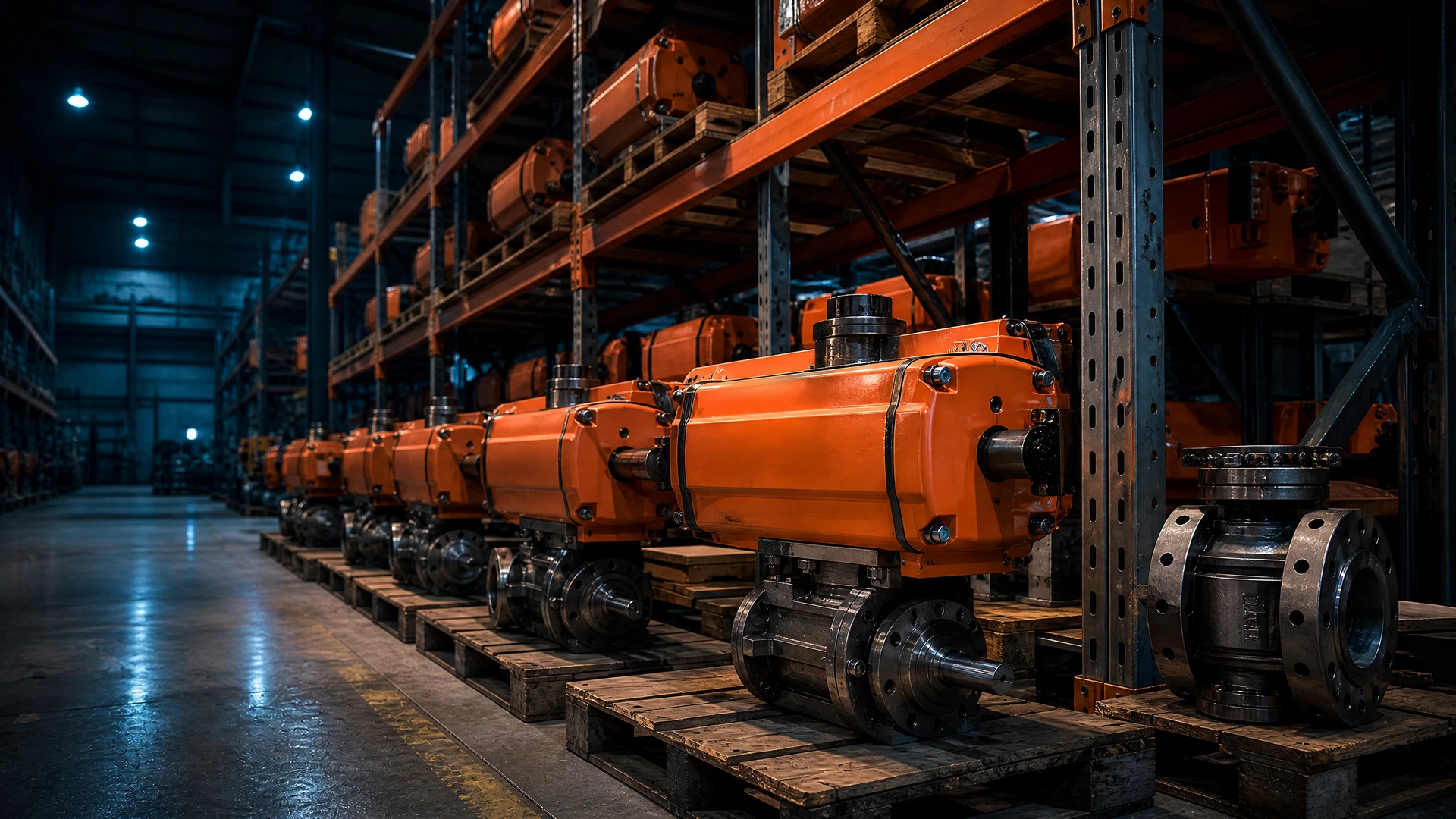
Plant managers upgrading control systems often need to offload surplus linear actuators that were originally purchased as spares for large-scale automation projects but are no longer compatible with the newly installed valve assemblies.
Seller scenario
Plant managers upgrading control systems often need to offload surplus linear actuators that were originally purchased as spares for large-scale automation projects but are no longer compatible with the newly installed valve assemblies.
Inventory scope
Review factors
Assess the condition of the stem connections and internal seals for any signs of wear, corrosion, or fluid leakage. The integrity of the housing and the functionality of the fail-safe mechanisms are also critical considerations when evaluating surplus linear actuators.
Providing original specification sheets, calibration records, and maintenance logs will help verify the actuator's performance characteristics and compatibility.
General evaluation considerations typically include the actuator's thrust capacity, stroke length, overall physical condition, and current market demand for specific manufacturer models.
Freight and site facts
Safe transportation of heavy linear actuators requires secure palletizing and appropriate lifting equipment, with specific logistics depending on your facility's layout and load size.
Practical answers
Show the complete equipment and close views of manufacturer nameplate, model and serial numbers, stroke length and thrust rating, fail-safe action specification.
Assess the condition of the stem connections and internal seals for any signs of wear, corrosion, or fluid leakage. The integrity of the housing and the functionality of the fail-safe mechanisms are also critical considerations when evaluating surplus linear actuators.
Providing original specification sheets, calibration records, and maintenance logs will help verify the actuator's performance characteristics and compatibility.
Start with the nameplate
Clear photographs and a basic inventory list are useful. Do not repair, energize, pressurize, or move equipment solely for this form.