Inventory examples
- Used industrial valves
- Rebuilt control valves
- New-surplus isolation valves
- Decommissioned pipeline valves
Seller field guide
A facility manager upgrading a piping network needs to clear out decommissioned and surplus industrial valves from the storage yard to free up valuable space.
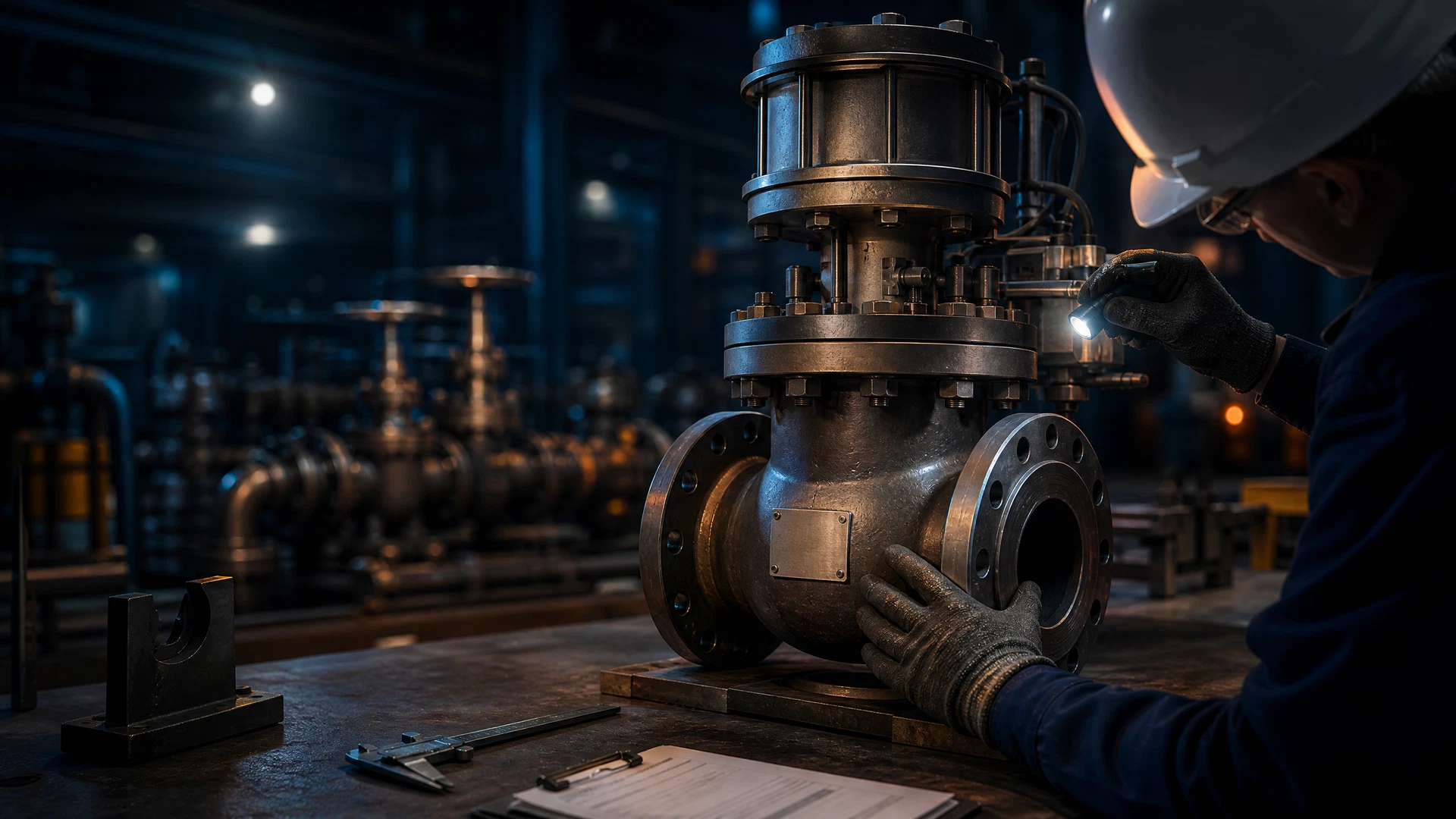
Seller scenario
A facility manager upgrading a piping network needs to clear out decommissioned and surplus industrial valves from the storage yard to free up valuable space.
Inventory scope
Review factors
Evaluation often depends on the extent of internal corrosion, seal integrity, and mechanical wear on moving parts. New-surplus units generally require intact factory packaging, while used valves must be free of critical structural damage.
Original purchase receipts, factory test reports, and maintenance or rebuild logs can significantly aid the evaluation process.
General evaluation considerations include the current market demand for specific valve types, material composition, brand reputation, and the overall physical condition of the units.
Freight and site facts
Logistics and transportation arrangements depend heavily on the total weight of the valve load, site accessibility, and the specific geographic location of the facility.
Practical answers
Show the complete equipment and close views of manufacturer nameplate, model and serial number, valve size and pressure rating, body and trim material codes.
Evaluation often depends on the extent of internal corrosion, seal integrity, and mechanical wear on moving parts. New-surplus units generally require intact factory packaging, while used valves must be free of critical structural damage.
Original purchase receipts, factory test reports, and maintenance or rebuild logs can significantly aid the evaluation process.
Start with the nameplate
Clear photographs and a basic inventory list are useful. Do not repair, energize, pressurize, or move equipment solely for this form.