Inventory examples
- Industrial valves
- Valve actuators and accessories
- Oilfield and process pipe
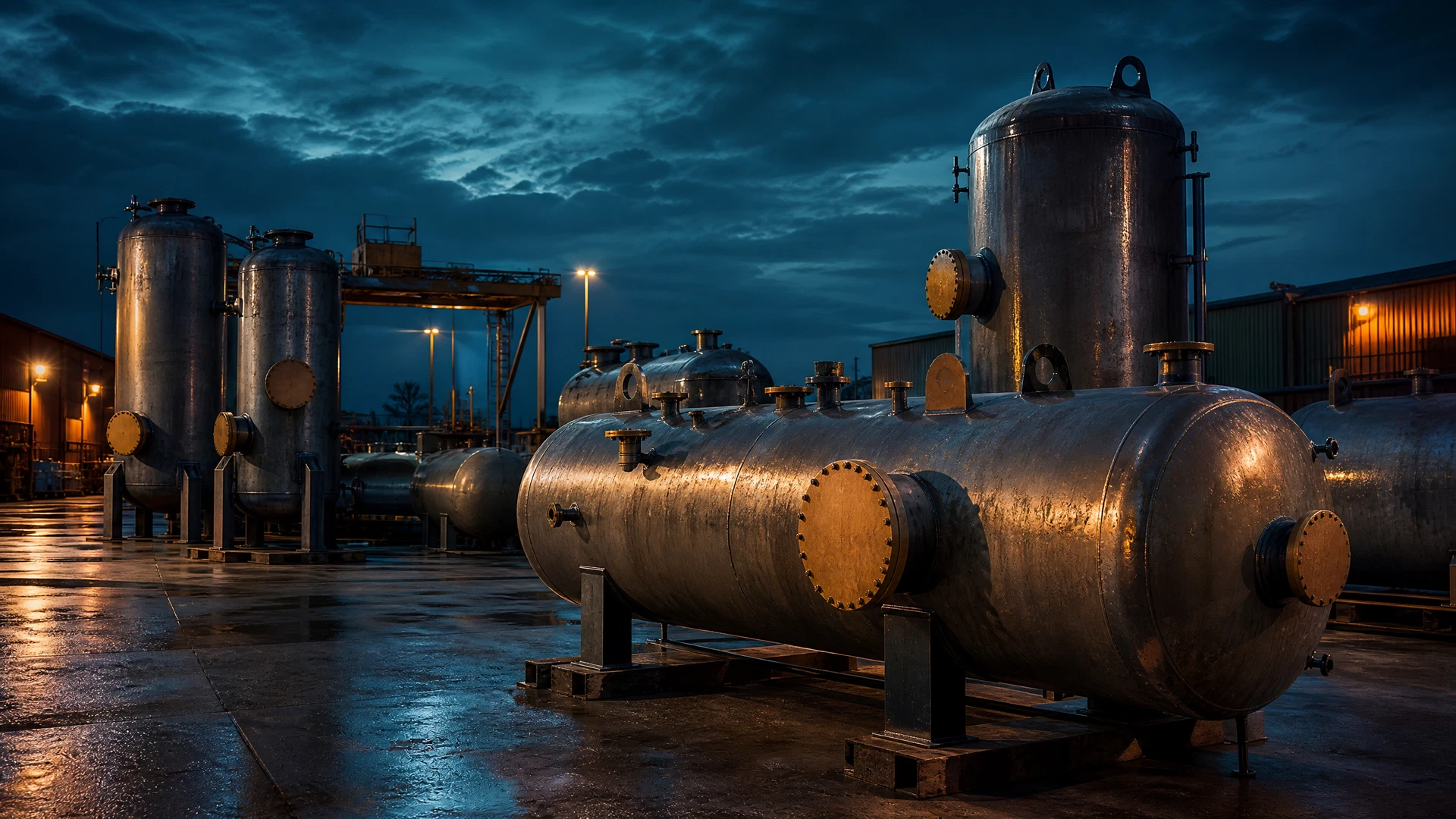
- Storage tanks and pressure vessels
Nationwide equipment review
When industrial facilities in California undergo decommissioning or modernization, plant managers may need to divest surplus valves and processing equipment while navigating strict environmental regulations.
Seller scenario
When industrial facilities in California undergo decommissioning or modernization, plant managers may need to divest surplus valves and processing equipment while navigating strict environmental regulations.
Inventory scope
Review factors
Photograph weather exposure, corrosion, missing parts, flange faces, stems, operators, and storage conditions so the equipment can be understood without assumptions.
Sellers should prepare detailed material test reports and maintenance logs, as strict state environmental guidelines often necessitate comprehensive equipment histories.
A review may consider equipment type, manufacturer and model, size or pressure class, materials, condition, quantity, documentation, current demand, location, and freight requirements.
Freight and site facts
Freight planning requires careful coordination, as transporting heavy industrial components depends heavily on exact site conditions, local traffic restrictions, and specific load dimensions.
Practical answers
Show the complete equipment and close views of manufacturer and model, size and pressure class, body or shell material, nameplate, tag, or serial number.
Photograph weather exposure, corrosion, missing parts, flange faces, stems, operators, and storage conditions so the equipment can be understood without assumptions.
Sellers should prepare detailed material test reports and maintenance logs, as strict state environmental guidelines often necessitate comprehensive equipment histories.
Start with the nameplate
Clear photographs and a basic inventory list are useful. Do not repair, energize, pressurize, or move equipment solely for this form.