Inventory examples
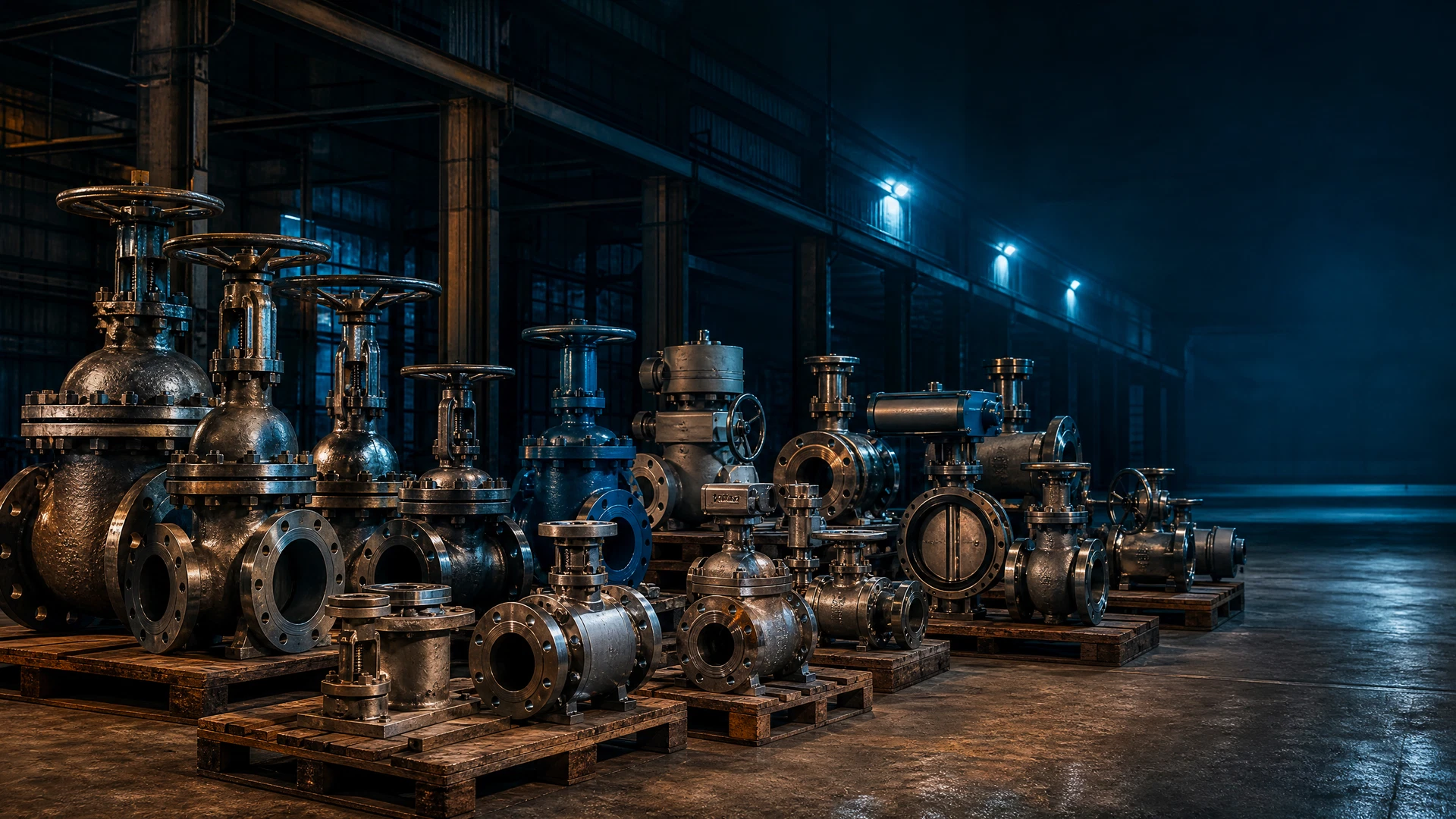
- Floating Ball Valves
- Trunnion-Mounted Ball Valves
- Top-Entry Ball Valves
- Welded Body Ball Valves
Valve identification guide
A facility manager overseeing a pipeline decommissioning project needs to clear out surplus floating and trunnion-mounted ball valves to recover capital and free up storage space.
Seller scenario
A facility manager overseeing a pipeline decommissioning project needs to clear out surplus floating and trunnion-mounted ball valves to recover capital and free up storage space.
Inventory scope
Review factors
Assess the condition of the ball, seats, and seals for signs of scoring, corrosion, or excessive wear. Valves with intact fire-safe certifications and minimal body degradation generally retain higher secondary market value.
Include original material test reports, fire-safe testing certificates, and recent maintenance logs to facilitate a faster evaluation.
General evaluation considerations are primarily based on the valve's size, pressure rating, construction materials, and the availability of original test reports.
Freight and site facts
Freight arrangements and lifting requirements will be coordinated based on the total weight of the valves and specific site access conditions.
Practical answers
Show the complete equipment and close views of manufacturer nameplate, valve size and pressure class, body and trim material codes, serial and model numbers.
Assess the condition of the ball, seats, and seals for signs of scoring, corrosion, or excessive wear. Valves with intact fire-safe certifications and minimal body degradation generally retain higher secondary market value.
Include original material test reports, fire-safe testing certificates, and recent maintenance logs to facilitate a faster evaluation.
Start with the nameplate
Clear photographs and a basic inventory list are useful. Do not repair, energize, pressurize, or move equipment solely for this form.